- 2025年7月7日
- 2025年7月7日
7/26開催!第121回ゆるいハッキング大会 in Tokyo – ITエンジニアのためのセキュリティ勉強会
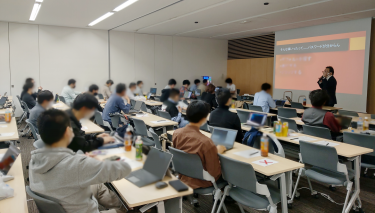
第121回 「AIを活用したサイバー攻撃を学ぶ」 シーズン8 ターン1開催します。 2025年7月26日(土)、毎月恒例となっている弊社主催のセキュリティカンファレンス「第121回 ゆるいハッキング大会 in Tokyo」を、東京都中央区にて開催いた […]

リモートワーク用NASガーゴイルの販売開始
ファイルサーバでお困りの方はご相談ください。
第121回 「AIを活用したサイバー攻撃を学ぶ」 シーズン8 ターン1開催します。 2025年7月26日(土)、毎月恒例となっている弊社主催のセキュリティカンファレンス「第121回 ゆるいハッキング大会 in Tokyo」を、東京都中央区にて開催いた […]
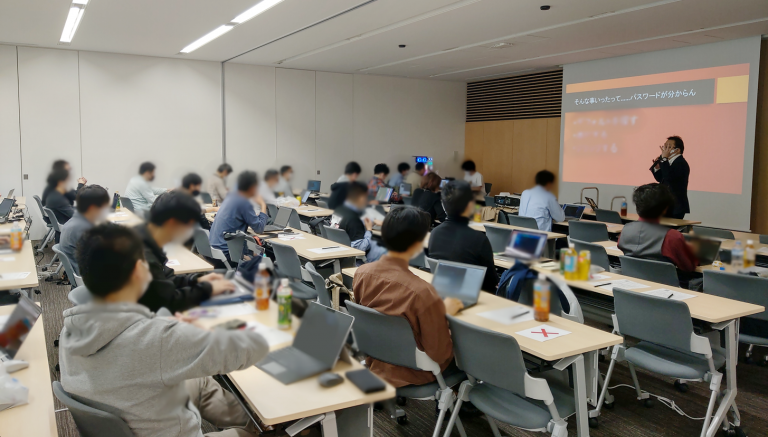
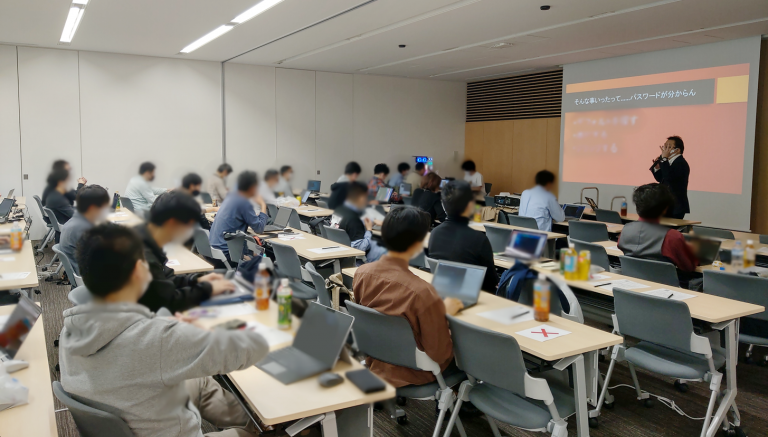
お世話になっております。システムガーディアンの米山です。毎月開催しているセキュリティセミナー「ゆるいハッキング大会 in Tokyo」について、最近は開催レポートのご報告が滞っておりましたので、改めてご報告させていただきます。2025年6月21日、東 […]
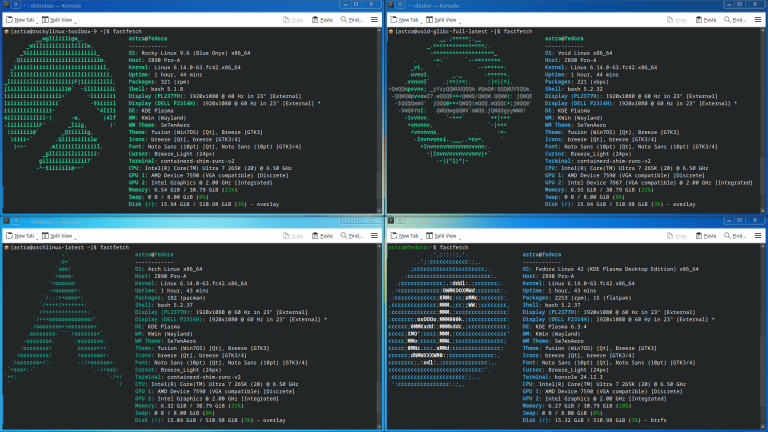
皆さん、こんにちは。アストラです。 多くの方が複数の異なるプロジェクトを同時に進めていて、それぞれに異なる依存関係があったり、場合によっては異なるLinuxディストリビューションが必要だったりすると思います。これらを管理するのはすぐに頭痛の種になりが […]
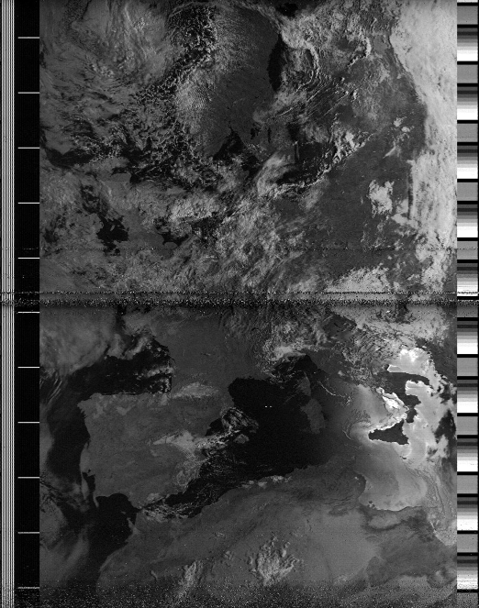
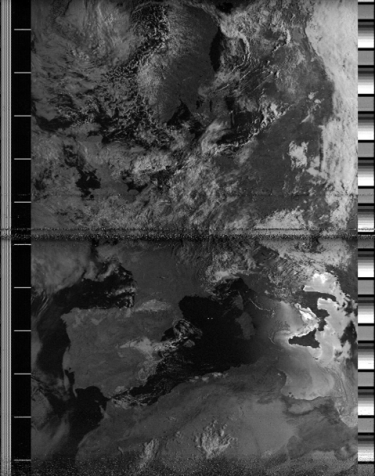
宇宙から届く天気の写真を自分で受信してみよう! 夏の自由研究のプロジェクトに最適! 宇宙を飛んでいる気象衛星から、リアルタイムで天気の画像を受信する方法を説明します。 完成イメージ: ↑これが自分で受信できる画像!雲の動きがはっきり見える 受信を始め […]
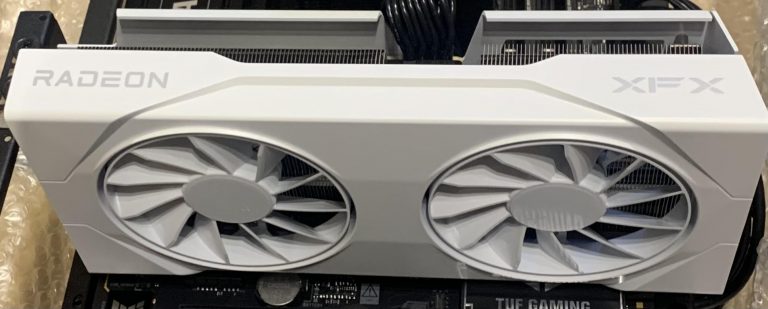
16 GBと迷ったら? ― ライトゲーマーに『8 GB』という選択肢 GPUは「VRAMは多いほど良い」と語られがち、、、 ですが、日本のゲーマーの約7割は依然フルHD(1,920 × 1,080)でプレイしているのが現実 そこで脚光を浴びるのがXF […]
第120回 「ゆるハック Security Bootcamp – 現場で活きる実践スキル★攻撃を知り、守る力を鍛える」 シーズン7 ターン4開催します。 2025年6月21日(土)、毎月恒例となっている弊社主催のセキュリティカンファレンス […]
第119回 シーズン 7 「ゆるハック Security Bootcamp – 現場で活きる実践スキル★攻撃を知り、守る力を鍛える」 ターン3開催します。 2025年5月17日(土)、毎月恒例となっている弊社主催のセキュリティカンファレン […]
平素よりシステムガーディアン株式会社をご愛顧いただき、誠にありがとうございます。おかげさまで当社は、2025年4月をもちまして創業10周年を迎えることができました。 当初は個人のデザイン事務所としてスタートし、そこからITインフラ専門の法人へと転換、 […]
インフラ界隈ではこのままWindowsServerでActive Directoryでクラアントを管理するのか、はたまたGoogleWorkSpaceにするのか、いやいや、Microsoft 365 にするのかと、費用を運用で悩ましい日々が続いており […]
第118回 シーズン 7 「ゆるハック Security Bootcamp – 現場で活きる実践スキル★攻撃を知り、守る力を鍛える」 ターン2開催します。 2025年4月19日(土)、毎月恒例の弊社主催セキュリティカンファレンス「第118 […]
第117回 シーズン 7 「ゆるハック Security Bootcamp – 現場で活きる実践スキル★攻撃を知り、守る力を鍛える」 ターン1開催します。 2025年3月15日(土)、毎月恒例の弊社主催セキュリティカンファレンス「第117 […]
第116回 シーズン 6 「トキメキ★VPNスナイピングor防御」 ターン4開催します。 2025年2月15日(土)、毎月恒例の弊社主催セキュリティカンファレンス「第116回 ゆるハック in TOKYO」を東京都中央区にてオフラインで開催いたします […]
こんにちはカトーです。 2025年も始まり会社も今年で11年目に突入しますので、引き続き気合を入れようと頑張っております。ちなみに年末年始はずっと事務所で仕事や勉強をしつつ、またYoutube撮影をしつつお酒飲んでました。 それはそうとして、業務で欠 […]
第115回 シーズン 6 「トキメキ★VPNスナイピングor防御」 ターン3開催します。 2025年1月18日(土)、毎月恒例の弊社主催セキュリティカンファレンス「第115回 ゆるハック in TOKYO」を東京都中央区にてオフラインで開催いたします […]
第114回 シーズン 6 「トキメキ★VPNスナイピングor防御」 ターン2 開催します。 2024年12月21日(土)、毎月恒例の弊社主催セキュリティカンファレンス「第114回 ゆるハック in TOKYO」を東京都中央区にてオフラインで開催いたし […]
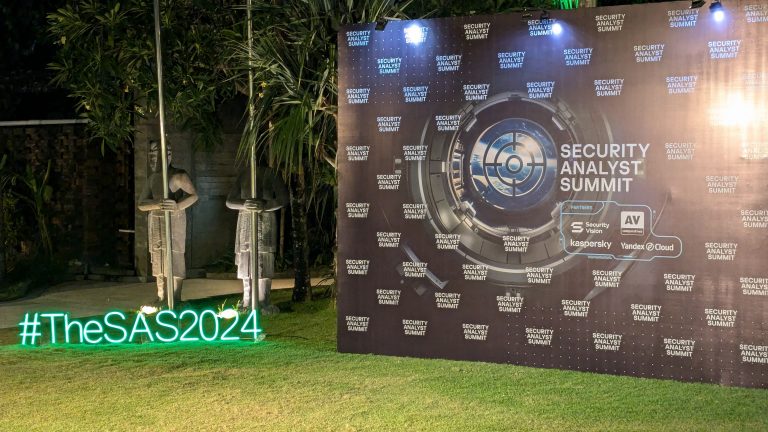
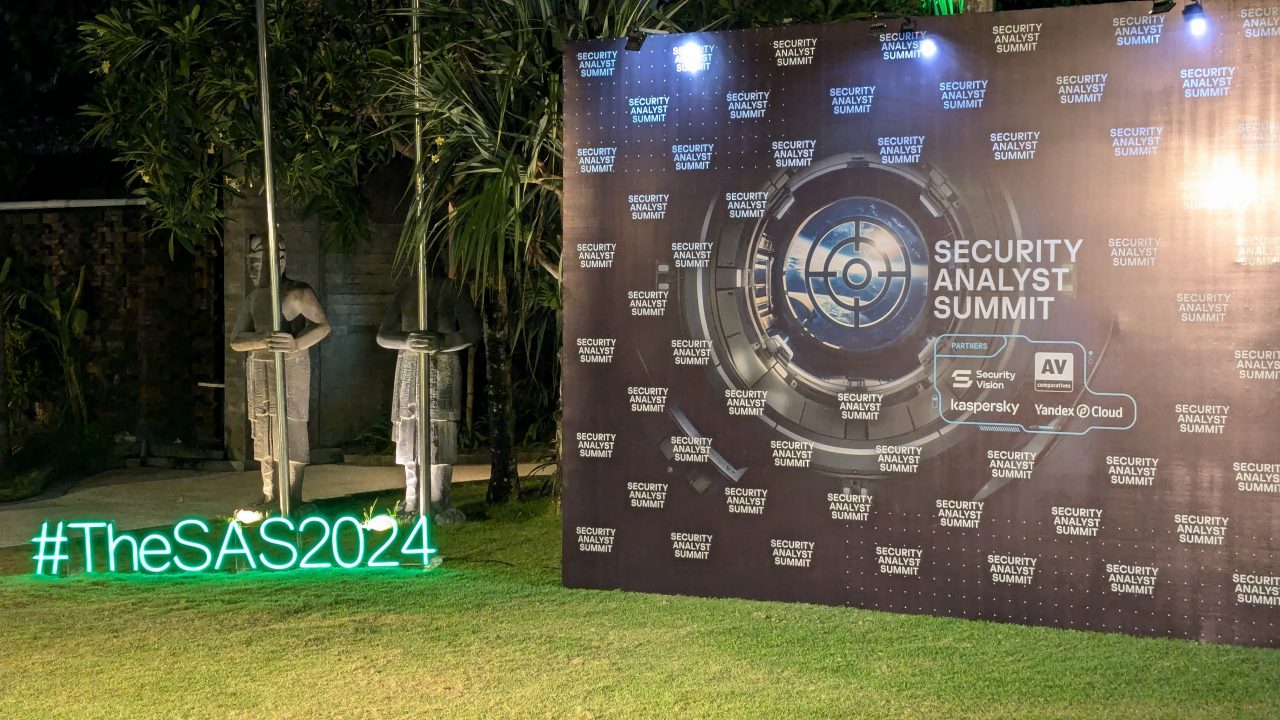
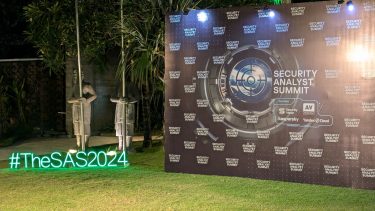
2024年10月22日よりインドネシア・バリ等にて開催されたカスペルスキー主催のSAS CTF 2024 FinalsにBunkyo WesternsとEnuの連合チームである、Team BuNkyoの一員として参戦してきたレポートです。 Day 0 […]
第113回 シーズン 6 「トキメキ★VPNスナイピングor防御」 ターン1 開催します。 2024年11月16日(土)、毎月恒例の弊社主催セキュリティカンファレンス「第113回 ゆるハック in TOKYO」を東京都中央区にてオフラインで開催いたし […]
【追記】2024年10月19日12時30分 こちら表記にありました 受付開始は 14:00 からです! 第112回 シーズン5 最終ターン4 開催します。 2024年10月19日(土)、毎月恒例の弊社主催セキュリティカンファレンス「第112回 ゆるハ […]
お世話になりますカトーです! ファイルサーバやらNASは使ってますでしょうか?まぁ企業でファイルサーバが無いというのは概ね見かけませんが、クラウドやオンプレなどいくつか種類はありますが、国内においてNASというとSynologyとQNAP、またIOデ […]
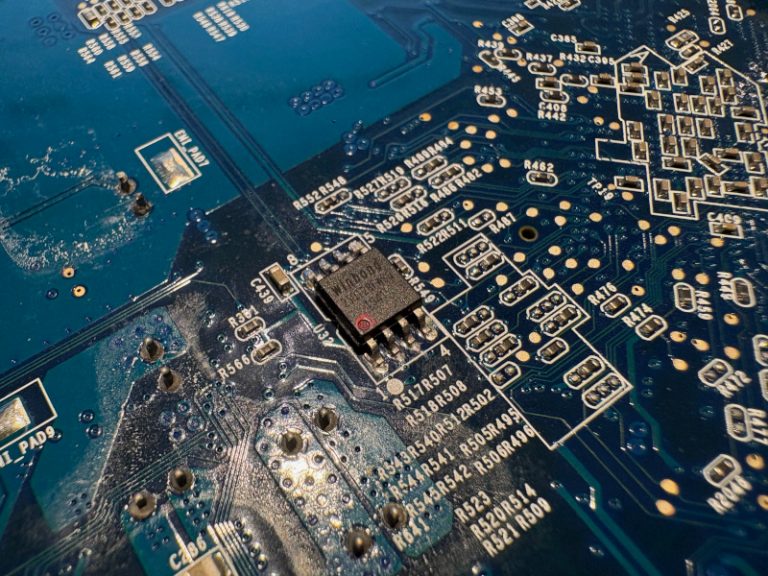
個人で使用しているSynologyのNAS DS918+が故障しました。 復旧するまで何を行ったかお伝えします。 当然ですが、メーカーが推奨方法は新しいNASを用意してマイクレーションを行う事になりますので遊びとして見ていただければと思います。 接続 […]
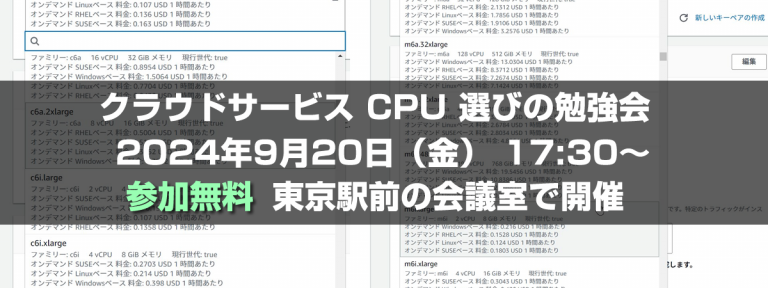
クラウドサービスCPU選び勉強会を開催します。 間近ではございますが、来週2024年9月20日 (金)「クラウドCPUの選び方 」を都内中央区にてオフライン開催します。普段クラウドサービスを利用するとき、CPUのコアやメモリ、ストレージ […]
第111回 シーズン5 ターン3開催します。 2024年9月28日 (土)毎月恒例の弊社主催のセキュリテイカンファレンス「第111回 ゆるハック in TOKYO 」を都内中央区にてオフライン開催します。 この会は”実際の防御を攻撃の観点から学び、業 […]
第110回 シーズン5 ターン2開催します。 2024年8月17日 (土)毎月恒例の弊社主催のセキュリテイカンファレンス「第110回 ゆるハック in TOKYO 」を都内中央区にてオフライン開催します。 この会は”実際の防御を攻撃の観点から学び、業 […]
平素は格別のお引き立てをいただき厚くお礼申し上げます。 弊社では、誠に勝手ながら下記日程を夏季休業とさせていただきます。 夏季休業期間 緊急のご用件に関しましては各担当者へご連絡をお願いいたします。 休業期間中にいただいたお問合せについ […]























システムの構築・保守運用「システムガーディアン」 社内システム担当が欲しいが、専属で雇うほどの仕事量はない。 必要な時に必要なだけ頼りたいというお悩みを持つ企業様へ専門知識を持って対応を行っております。 サーバから各種システムまで自社・他社で構築されたシステムに対してサポートを行っております。